Owner Answers For Commercial Metal Roofs

Bardstown Metal Roof Coating Questions

Plain answers to metal roof coating questions in Bardstown: rust, screws, laps, coating choices, weather, permits by town, and what to expect on the first visit.

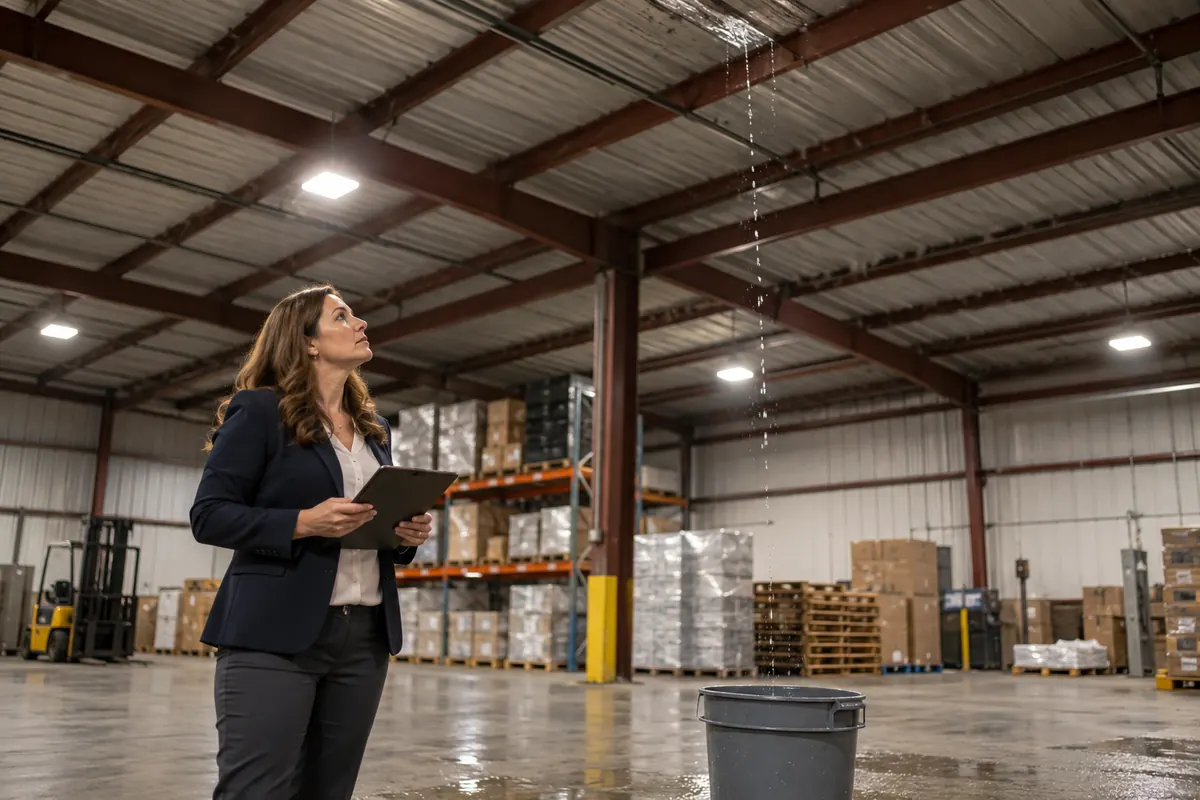
Facility manager in a metal warehouse looking up at a drip from the roof

Metal Roof Coating Questions, Answered For Bardstown

Metal roof coating is a fluid-applied membrane sprayed or rolled over steel roof panels to seal fasteners, seams, and panel laps and to slow rust. Bardstown Metal Roof Coating coats commercial metal roofs and applies silicone, acrylic, spray foam, and shingle roof coatings in Bardstown, Nelson County, Kentucky, and in nearby Lebanon, Springfield, and Taylorsville.

Metal Roof Coating Basics

What does a coating do for a commercial metal roof?

A coating puts one continuous rubber-like film over the panels, so the screws, laps, and seams stop acting as hundreds of separate leak points. On bare metal, every fastener washer and panel overlap relies on its own gasket or sealant, and those parts age at different speeds.

Once cured, the film:

  • Covers fastener heads and the washers under them
  • Bridges side laps and end laps with reinforcing fabric or seam tape
  • Shields bare steel from rain and dew, which slows new rust
  • Reflects sunlight when the finish coat is white or light

A coating adds a waterproof skin and no structural strength, so loose or rusted-through panels get fixed first.

Which commercial metal roofs around Bardstown make good coating candidates?

Metal roofs with stiff panels, surface rust, and leaks at screws or laps are the strongest coating candidates. Warehouses, shop buildings, church fellowship halls, farm equipment buildings, and retail strips with metal roofs all fall into this group.

Signs a roof fits:

  • Panels stay firm underfoot between purlins
  • Rust is limited to surface bloom, with no holes
  • Leaks trace to fastener rows, ridge caps, or end laps
  • Gutters and drip edges are still attached

Roofs with widespread rust-through, crushed panel ribs, or framing that sags between purlins need panel replacement in those areas before any coating goes on.

How does coating prep differ for standing seam and exposed-fastener metal roofs?

Exposed-fastener R-panel roofs need far more detail work than standing seam roofs, because every screw on an R-panel passes through the sheet. Standing seam panels hide their clips under the seam, so prep centers on seams, end laps, and trim.

Prep itemExposed-fastener R-panelStanding seam
FastenersTighten, replace stripped screws, upsize wallowed holesClips hidden; check exposed trim screws
SeamsSide laps sealed with mastic or seam tapeSeams checked for lift and separation
End lapsSealed and reinforced across the full panel widthSealed where panels splice
MovementLower, since panels are pinned to purlinsHigher, since panels float on clips

Some standing seam manufacturers limit what goes on their panels, so the panel brand gets checked first.

Should I coat, restore, re-panel, or replace a commercial metal roof?

The amount of rust-through and loose metal decides the path more than the roof's age. Coating covers a roof with solid panels; restoration adds fastener, seam, and rust work first; re-paneling swaps damaged sheets; replacement starts over.

Roof conditionCoatRestoreRe-panel sectionsReplace
Chalky paint, few leaksYesLight prepNoNo
Red rust, backed-out screws, leaking lapsAfter prepYesSpot onlyNo
Rust holes in scattered panelsAfter repairYesYesNo
Rusted purlins or widespread holesNoNoPartialYes

A walk on the roof and a look at the panel undersides from inside show which row a building fits.

Rust, Fasteners and Seams

Can you coat over a rusty metal roof?

Yes, surface rust gets cleaned and primed with a rust-inhibiting primer before coating, and that pairing is the most common metal roof restoration. Loose, flaking scale comes off with wire brushes or grinders; tight surface rust is cleaned and treated so primer bonds to it.

Three rust conditions show up on commercial roofs:

  • Red rust: orange-brown staining on painted steel, often at laps and screws
  • White rust: chalky powder on galvanized or Galvalume panels
  • Rust-through: holes where the steel is gone

Red and white rust each call for the primer the coating maker lists for that surface. Holes get a patch or a new panel section first.

What happens to the screws and washers during a metal roof coating job?

Every exposed screw gets checked, because a failed washer is the most common leak on an R-panel roof. Old neoprene washers dry out and crack in the sun, and screws back out as panels expand and contract through the seasons.

Crews work fastener rows in this order:

  • Tighten loose screws without crushing the washer
  • Replace stripped or rusted screws with the next size up
  • Cap each head with fastener sealant or butyl
  • Prime and coat over the treated heads

Missing screws at end laps and ridge caps get added, since those spots pull apart first in wind.

Why do metal roofs leak at panel laps and end laps?

Laps leak because two sheets of steel meet there, and wind and capillary action pull water into the gap. Side laps run up the slope where panels overlap at the rib; end laps run across the roof where an upper panel overlaps a lower one.

End laps are the worse of the two. Water runs straight into them, debris collects at the step, and the sealant tape inside dries out. Rust then starts on the hidden overlap.

Coating crews clean each lap, seal it with mastic or seam tape, and run reinforcing fabric across it before the base coat, so the lap moves as one piece.

How are ridge caps, gutters, and trim handled on a coated metal roof?

Ridge caps, gutters, and trim get the same cleaning and priming as the field, plus extra sealing where they meet the panels. Ridge caps leak at the closure strips and the screws that pin them, so failed foam closures get replaced before coating.

Detail work on these parts:

  • Ridge cap screws tightened and sealed
  • Gutter seams and end caps resealed, debris cleared
  • Eave and rake trim fastened down where wind has lifted it
  • Pipe boots and curb flashing wrapped with fabric and coating

Gutter troughs stay uncoated unless the gutter itself leaks, since a rough coated trough holds leaves and grit.

Can you coat over skylight panels on a metal building?

Translucent skylight panels stay uncoated when the building needs the daylight, so crews mask them and seal only the laps and fasteners around their edges. Older fiberglass skylight panels yellow, crack, and turn brittle, and their edge laps leak like any other end lap.

Options for each skylight panel:

  • Seal the perimeter and leave the panel clear
  • Replace cracked panels with new translucent sheets
  • Coat over the panel when daylight no longer matters

Brittle skylight panels are also a fall hazard, so they get marked or guarded before crews walk the roof.

Choosing a Coating

How do silicone, acrylic, and urethane compare on a metal roof?

Each of the three main coating families works over primed metal, and drainage, foot traffic, and future recoating decide which one fits.

FactorSiliconeAcrylicUrethane
Water standing at low spotsHolds up wellWeak where water sitsHolds up well
Sun and weatheringStrongStrongStrong with an aliphatic top coat
Dirt pickupCollects dustStays cleanerStays fairly clean
Foot trafficSoft, slick when wetModerateToughest surface
Later recoatingBonds mainly to siliconeBonds to many coatingsBonds to many coatings
Odor during workLow to moderateLow, water-basedStronger

Pitched metal roofs shed water quickly, so acrylic fits more of them than it fits flat roofs. Urethane earns its place on roofs with heavy service traffic around rooftop units.

When does silicone make sense on a metal roof?

Silicone makes sense on low-slope metal roofs where water lingers at end laps, gutters, or behind rooftop units. It resists breakdown from standing water and sun better than water-based acrylics, so it fits shallow-pitch R-panel roofs on warehouses and shops.

Trade-offs to weigh:

  • Dust and pollen stick to it, dulling a white finish
  • Later recoats need silicone, since few other coatings bond to it
  • Walkways need granules or pads, because wet silicone is slick

High-solids silicone builds thickness in fewer passes, which helps on large roofs. Check the product's listing in the Cool Roof Rating Council directory if reflectance numbers matter for the building.

When does acrylic make sense on a metal roof?

Acrylic makes sense on metal roofs with enough pitch that rain runs off within hours. Water-based acrylic stays bright, resists dirt pickup, and bonds to many surfaces, so recoating later is straightforward.

Good fits include:

  • Gable-roofed shops and equipment buildings with steady slope
  • Church and office buildings with metal roofs that drain fast
  • Storefronts where a crisp white finish is part of the look

Acrylic dislikes cold and damp while it cures. Spring and fall jobs in Nelson County need dry afternoons and evenings that stay above the maker's minimum temperature, since dew on fresh acrylic can wash film off the panels.

Is spray foam over a metal roof better than a coating alone?

Spray foam over metal adds insulation and seals the roof in one layer, while a coating alone seals and reflects without adding insulation. Foam fits metal buildings that drip condensation inside or cost a lot to heat; coating fits buildings where leaks and rust are the main problem.

FactorSpray foam plus coatingCoating only
InsulationClosed-cell foam, about R-6 per inch per the DOE guideVery little
Leak sealingCovers screws, laps, and ridge caps in one layerSeals each detail with mastic, tape, and coating
Roof heightRaises the roof surfaceAdds a thin film
Trim and guttersEdge details reworkedMostly unchanged
UpkeepRecoat the top coat over timeRecoat over time

Both need clean, primed, rust-treated panels first.

Can you coat an asphalt shingle roof on a commercial building?

Yes, some asphalt shingle roofs on commercial buildings can take a coating, though shingle condition and the shingle maker's position set firm limits. Strip centers, office buildings, and churches with shingled roofs are the usual candidates.

Coating fits shingles that:

  • Lie flat, with tabs still sealed down
  • Keep most of their granules
  • Sit on decking that stays firm underfoot

Curled, cupped, or missing shingles and soft decking point to replacement instead. Some shingle manufacturers drop their coverage once a coating goes on, so the original paperwork gets checked before any work. A coating also changes how the roof looks from the street, which matters inside the Bardstown historic district.

Does a white coating keep a metal building cooler?

A white or light reflective coating bounces back more sunlight than weathered or dark metal, which lowers the roof surface temperature on summer afternoons. Faded paint and dull Galvalume absorb more heat than a fresh white finish.

Two ratings describe this:

  • Solar reflectance: how much sunlight bounces off
  • Thermal emittance: how readily the surface sheds absorbed heat

The Cool Roof Rating Council lists rated roof products with both values, measured new and after outdoor weathering. Any change inside the building shows up on utility bills, so compare a summer of bills before and after rather than counting on a set figure. Dirt lowers reflectance over time, and occasional washing helps.

Climate and Weather in Nelson County

How does central Kentucky weather wear on a commercial metal roof?

Heavy rain, hail, summer heat, and freeze-thaw swings all work on a metal roof's fasteners and laps. The National Weather Service office in Louisville covers Nelson County, and its 2020 year in review recorded an EF-1 tornado track across the county, large hail in regional storms, and an April freeze into the 20s.

On a metal roof those events show up as:

  • Screws loosened by daily expansion and contraction
  • Lifted ridge caps and eave trim after wind
  • Dents and chipped paint from hail
  • Overflowing gutters during downpours

A coating that flexes with the panels holds up through those swings better than brittle old sealant.

What does hail do to a coated metal roof?

Hail dents the steel and can crack or chip the coating at the point of impact, especially on older, harder films. Small dents with intact coating are cosmetic; cracked coating over a dent lets water reach the steel, and rust follows.

After a hailstorm, check the roof for:

  • Fractures in the coating at dent centers
  • Bent rib tops on R-panels
  • Cracked skylight panels
  • Gutters crushed or pulled from hangers

Photograph damage with dates before any repair, since insurers ask for it. Cracked spots get cleaned, primed where steel shows, and recoated.

Why does my metal building drip inside on cold mornings?

Dripping on cold mornings is usually condensation, where warm, humid indoor air meets the cold underside of the panels and turns to water. It shows up in uninsulated shops, barns, and warehouses, and it gets mistaken for roof leaks.

Clues that point to condensation:

  • Water spots spread across the ceiling instead of one line
  • Dripping happens on clear, cold mornings with no rain
  • Fastener tips inside are wet or rusty

A coating keeps rain out, yet it does little for condensation. Spray foam on top of the panels, insulation underneath, or better ventilation addresses it.

Question About Your Own Roof?

Call and describe the roof, its panels, and where water shows up inside. A short conversation often answers what a page cannot.

Prep, Application and Downtime

What prep happens before coating a commercial metal roof?

Prep takes longer than coating on most metal roofs, and it decides how long the coating stays bonded. A roof that looks clean still carries chalk, oil, and dirt that block adhesion.

Prep sequence on a metal roof:

  • Pressure wash panels, laps, and gutters
  • Remove loose rust and scale at laps and fasteners
  • Treat fasteners and replace failed ones
  • Seal laps, ridge caps, and penetrations with mastic and fabric
  • Prime rusted areas and any panels the coating maker requires
  • Run an adhesion test patch on the existing finish

Heavy chalking calls for a cleaner the coating maker approves before the wash.

What weather does a metal roof coating job need?

Coating needs dry panels, mild temperatures, and no rain in the forecast for the cure window. Metal collects dew quickly on Kentucky mornings, and coating applied over that film fails to bond.

Crews check before starting:

  • Surface temperature above the dew point
  • Air and panel temperature within the product's range
  • Wind low enough to control spray and keep fabric down
  • Forecast clear through the cure period

Summer afternoons bring the opposite problem. Dark metal gets hot enough to skin some coatings too fast, so work often starts early and follows the shade around the roof.

Can a business stay open while its metal roof is coated?

Most businesses stay open, since coating work happens on top of the roof. Noise comes mainly from pressure washing and screw guns, and odor stays low with water-based or low-solvent products.

Building owners plan for:

  • Rooftop unit intakes shut down or covered during spraying
  • Parking near walls cleared when crews spray
  • Hatch or lift access kept free
  • Doors under eaves marked during gutter work

Spraying stops when wind carries mist toward cars or neighboring buildings, and crews switch to rollers and brushes in those spots.

How long does it take to coat a commercial metal roof?

Roof size, the amount of rust and fastener work, and weather set the schedule more than the coating itself. A clean roof with few leaks moves fast; a roof with rusted laps, hundreds of failed screws, and cracked skylight panels takes longer.

Schedule drivers include:

  • Square footage and pitch
  • Number of fasteners to replace
  • Cure time between primer, base coat, and top coat
  • Dew and rain delays

Sections get finished one at a time, with seams and fasteners sealed before the day ends, so a rain delay leaves no open laps.

Cost, Value and Taxes

What drives the cost of coating a commercial metal roof?

Square footage, rust and fastener work, and the coating system chosen drive the cost of a metal roof coating. Two roofs of the same size can differ widely because prep labor changes so much from roof to roof.

Main cost drivers:

  • Roof area and pitch
  • Rust treatment and primer coverage
  • Screws replaced and laps sealed
  • Coating type, film thickness, and number of coats
  • Skylight panels, curbs, and gutters to detail
  • Lift, access, and safety setup

Spray foam adds material and changes trim and gutter details, so it moves the total more than switching between coatings.

How do I keep a coated metal roof in good shape?

Two roof walks a year, one in spring and one in fall, catch most problems on a coated metal roof early. Keep dated photos so changes are easy to compare.

Look for:

  • Chalking that rubs off on a hand
  • Thin spots where primer or bare metal shows
  • Cracked coating over hail dents
  • Peeling at end laps or ridge caps
  • Debris packed in gutters and valleys

Clear gutters each fall after leaf drop. Fix small cracks with the same coating family already on the roof, and plan a recoat when thin spots spread.

Does coating a commercial metal roof qualify for Section 179?

Roofs on existing nonresidential buildings can qualify as qualified real property under Section 179, according to IRS Publication 946. For 2026 the deduction limit is $2,560,000, with a phase-out once qualifying purchases pass $4,090,000. Roofs on residential rental property are excluded.

Records to keep:

  • Invoices for coating, foam, and repair work
  • Photos of the old roof, fasteners, and laps
  • Roof area and building use

Whether a given coating job counts as a roof improvement or a repair is a tax question, so a CPA decides how it applies to your business.

Permits, Codes and Utilities

Do I need a permit to coat a metal roof in Nelson County?

Ask Nelson County Code Enforcement before work starts, since the Kentucky Department of Housing, Buildings and Construction lists that office as the local building inspector for Nelson County. Offices treat a coating, foam, and panel replacement differently, and foam or new panels change the roof assembly.

Have these ready:

  • Building address and use
  • Roof area and panel type
  • Work planned: coating only, foam, or panel replacement

Larger projects can also need state plan review through the department's plan application. Inside the Bardstown historic district, exterior changes go to the Historic Review Board as well.

Who handles building permits in Bardstown, Lebanon, Springfield, and Taylorsville?

Each town falls under a different local inspector on the state's county listings, so the permit office changes as you cross county lines.

TownCountyLocal inspector on the state listing
BardstownNelsonNelson County Code Enforcement
LebanonMarionCity building inspector
SpringfieldWashingtonCity of Springfield inspector
TaylorsvilleSpencerCounty building inspector

Addresses outside city limits in Marion or Washington County need a call to the department to confirm coverage. Listings change, so confirm with each office before scheduling, and bring photos of the roof, its gutters, and rooftop equipment.

Will my electric utility pay toward a reflective metal roof coating?

No utility program can be counted on ahead of time, so ask the provider named on your electric bill before work begins. The City of Bardstown supplies electric service to commercial customers on its system, and rural cooperatives serve much of the surrounding countryside.

Questions for the provider:

  • Is any commercial efficiency program open this year?
  • Do reflective roof coatings or added insulation count?
  • Must the program approve work before it starts?

Keep photos of the panels, gutters, and ridge before coating, plus product data showing reflectance from the Cool Roof Rating Council directory.

Questions by Town

How does the Bardstown historic district affect a metal roof coating?

Exterior changes inside the Bardstown historic district need Historic Review Board approval before work starts, according to the city. The board votes on the change, the City Council then considers it, and the owner receives a Certificate of Appropriateness by mail.

Metal roofs that show from the street are the main concern, because a coating changes their color and sheen. Standing seam roofs on older commercial buildings, visible gutters, and ridge caps all fall under that view. Bring color samples and sidewalk photos of the roof when asking the preservation office whether a coating counts as an alteration.

Are distillery buildings around Bardstown candidates for metal roof coating?

Distillery production and storage buildings with metal roofs are strong candidates when their panels are solid and leaks trace to screws, laps, or ridge caps. Visit Bardstown counts 11 distilleries within 16 miles of Court Square, so the area has an unusual number of large industrial roofs.

These sites raise their own questions:

  • Roof vents and exhaust stacks need clear space and careful masking
  • Visitor areas and parked cars call for tight overspray control
  • Restricted zones set where and when crews can work

Large roof areas favor high-solids coatings that build thickness in fewer passes.

Who inspects commercial roof work in Lebanon?

Lebanon roof work starts with the city building inspector, since the state's Marion County listing names a city inspector as the local office. Buildings outside Lebanon city limits need a call to the Kentucky Department of Housing, Buildings and Construction to confirm who covers that address.

Panel replacement and spray foam over metal change the roof assembly more than a coating does, so describe the work plainly when calling. Bring photos of the ridge caps, gutters, and any skylight panels slated for replacement, along with the roof area.

Which electric co-ops serve commercial buildings around Lebanon?

Marion County is served in part by Inter-County Energy, Salt River Electric, and Taylor County RECC, according to East Kentucky Power Cooperative's member list. Taylor County RECC is based in Campbellsville, so some Lebanon-area owners deal with a different office than neighbors served out of Bardstown or Danville.

Check the name on each building's electric bill before asking about programs. Then ask whether a reflective coating on steel panels or foam insulation over the roof deck counts toward anything current, and get the answer in writing before work begins.

Who issues permits for commercial roof work in Springfield?

The City of Springfield inspector is the local office the state lists for Washington County, and that listing shows no separate county inspector. Roof work outside Springfield city limits needs a call to the Kentucky Department of Housing, Buildings and Construction before crews are scheduled.

Show the inspector what the work changes on the roof:

  • Panels replaced at rust-through spots
  • Foam added on top of the steel
  • Gutters or eave trim rebuilt

A coating over existing panels changes less than any of those, and the office decides what paperwork fits.

Which electric co-ops serve buildings near Springfield?

Washington County is served in part by Blue Grass Energy, Inter-County Energy, and Salt River Electric, per East Kentucky Power Cooperative's list. Blue Grass Energy is headquartered in Nicholasville, Inter-County Energy in Danville, and Salt River Electric in Bardstown.

That spread matters for metal shop and storage buildings on rural roads, since each co-op serves its own territory rather than following town lines. Pull a recent bill for each building before asking about efficiency programs, and ask how the co-op treats roof insulation added with spray foam over steel panels.

Who handles building inspections for roof work in Taylorsville?

The Spencer County building inspector is the first call, because the state listing for Spencer County names a county inspector and shows no separate entry for Taylorsville. Confirm that coverage by phone before booking crews.

Inspectors look closely at roof edges on metal re-covers:

  • Eave trim and gutter attachment
  • Ridge cap closures and fasteners
  • Flashing height at walls where foam raises the roof

Keep the inspection paperwork with the roof photos and invoices, since tax and insurance questions call for the same records later.

Which electric co-ops serve commercial buildings around Taylorsville?

Spencer County is served in part by Salt River Electric, Blue Grass Energy, and Shelby Energy, according to East Kentucky Power Cooperative. Shelby Energy is based in Shelbyville, and Spencer is the only county in this service area on its list.

Owners of metal storage, retail, and shop buildings around Taylorsville should check which co-op bills each building before asking about efficiency programs. Ask specifically about roof work:

  • Reflective coatings on steel panels
  • Spray foam insulation over the roof deck
  • Approval steps required before work starts

Getting Started

What should I have ready before a commercial metal roof assessment?

A short roof history makes the first visit faster. Useful items:

  • Leak spots marked from inside, with dates
  • Roof age, panel type, and past coatings or repairs
  • Photos of gutters, ridge caps, and skylight panels
  • Access details such as a hatch, ladder, or lift area
  • Historic district or permit letters already on file

Interior photos of rusty fastener tips or stained insulation help separate condensation from rain leaks. Distillery and food-processing owners should also note restricted areas and any rooftop exhaust that runs on a schedule.

What happens during a first visit to a commercial metal roof?

The first visit is a roof walk plus an inside look at the panel undersides to see whether coating, foam, or panel work fits the building. The crew checks fastener rows, side laps, end laps, ridge caps, gutters, and skylight panels, and marks rust-through spots.

From inside, stained purlins and wet insulation show where water has been getting in. A small adhesion test patch on the existing finish confirms the coating will bond. Afterward, Bardstown Metal Roof Coating walks through the options for that roof, from spot repair to full coating or foam over the panels.

Still Weighing A Metal Roof Coating?

Get a free ballpark figure for your roof size, or call and ask your question directly.

Call Us (502) 289-9569